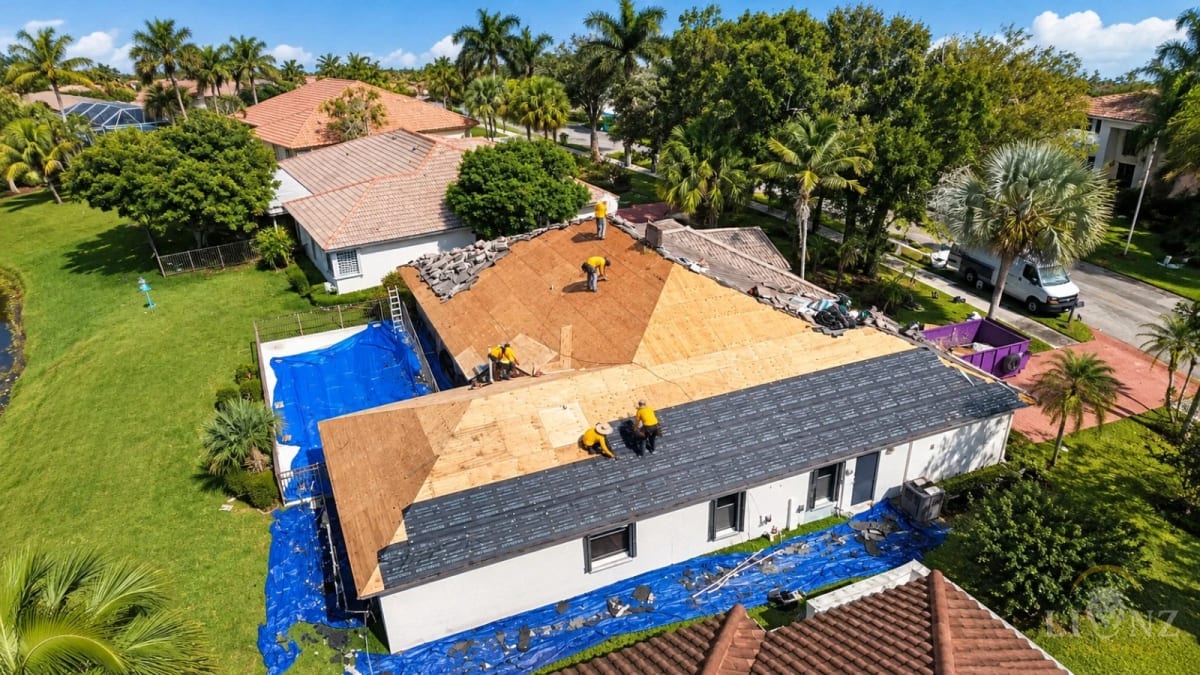
The best time to replace a roof in South Florida is during the dry season, which runs from mid-October through mid-May, because fewer daily storms mean fewer rain delays, safer working conditions, and a roof that is finished well before the next hurricane season begins. If your roof is aging and you have been putting off the decision, the next few weeks are a good moment to start planning.
At Lionz Roofing, we handle roof replacement for homeowners across Fort Lauderdale and greater Broward, Miami-Dade, and Palm Beach counties, and we see the same pattern every year: homeowners who plan during the dry season get more scheduling choice and less stress. Here is how the calendar works, what to do now, and how to avoid the late rush.
When Does the Dry Season Start in South Florida?
The National Weather Service in Miami defines the South Florida wet season as running from May 15 through October 15, which makes October 15 the official start of the dry season. During the wet season, the region typically receives roughly 30 to 45 inches of rain, delivered mostly through near-daily showers and thunderstorms.
That pattern is exactly what makes the dry season attractive for roofing. A roof replacement involves removing the existing roofing, inspecting the deck, and installing new underlayment and roofing materials. Every one of those steps goes more smoothly when the forecast is not interrupting the schedule.
Why the Dry Season Is the Better Window
Replacing a roof in the wet season is possible, and good roofers do it when they have to. But the dry season offers real advantages:
Fewer rain delays. Projects are more likely to finish on the schedule you were given, instead of stopping and starting around afternoon storms.
Less exposure risk. Once the old roof comes off, the home is only as protected as the new underlayment. Calmer weather lowers the chance of water reaching the deck or the interior mid-project.
Safer working conditions. Wet surfaces and lightning are two of the biggest hazards on a South Florida roof. The dry season reduces both.
More predictable inspections. Permit inspections are scheduled around the work, and fewer weather interruptions make it easier to keep them on track.
A Realistic Look at the Calendar
The dry season is not one uniform block, so it helps to think about it in stages:
Mid-October through November 30: The dry season has started, but the Atlantic hurricane season is still active until November 30. Late-season storms are rare compared with September, yet they do happen, so a good contractor watches the forecast closely and protects the roof at the end of every work day. If you want to read more about late-season risk, see our guide on why October still matters for South Florida roofs.
December through February: This is typically the calmest stretch of weather for roofing work, and also one of the busiest booking periods.
March through mid-May: Still part of the dry season, but heat builds and the schedule fills as homeowners try to finish before the rain returns.
The practical target for most homeowners is to have the work completed before the wet season begins on May 15, and well before the next hurricane season starts on June 1.
Permits, Codes, and Lead Times
A roof replacement in South Florida requires a permit from your city or county building department, plus the inspections that go with it. Lead times vary by municipality and by how busy the building department is, which is one more reason not to wait until the last minute.
Codes matter here too. Broward and Miami-Dade counties sit in the High-Velocity Hurricane Zone, so replacement work must meet HVHZ roofing requirements, including approved products and specific installation standards. Palm Beach County follows the Florida Building Code's wind-resistance requirements. Working with a contractor who knows the rules for your exact city is what keeps the permit and inspection process moving.
Signs It Is Time to Replace Rather Than Repair
Timing only matters if replacement is actually the right call. A professional roof inspection is the best way to know, but these are common signs that repair may no longer be enough:
The roof is at or beyond its typical lifespan (asphalt shingle roofs in Florida generally last about 15 to 25 years)
Repeated leaks in different areas, rather than one isolated spot
Widespread curling, cracking, or missing roofing material
Granules collecting heavily in gutters
Visible sagging or soft spots in the deck
Storm damage that was never fully addressed (our guide to spotting hidden roof damage after a storm explains what to check)
If you are dealing with a single active leak rather than overall wear, a targeted roof leak repair may solve the problem without a full replacement.
How to Plan Your Replacement Now
Starting early is the single best way to take advantage of the dry season:
Schedule a roof inspection to get an honest assessment of your roof's condition and remaining life.
Collect and compare written quotes that spell out materials, scope, permit handling, and warranty terms.
Review financing options if the project needs to be spread out. Our financing page covers what is available.
Ask about the warranty. A replacement is a long-term investment, and the roofing warranty you receive should be clear before work begins.
Pick a target completion date that leaves a comfortable margin before the wet season.
Serving Homeowners Across South Florida
Lionz Roofing is based in Fort Lauderdale and serves homeowners throughout Broward County, Miami-Dade County, and Palm Beach County. Our team is licensed, insured, and experienced with the local codes and weather conditions that shape roofing projects across South Florida.
Frequently Asked Questions
What is the best month to replace a roof in South Florida?
There is no single perfect month, but the dry season from mid-October through mid-May is the best window. Many homeowners aim for late fall through early spring, when rain delays are least likely.
Can I replace my roof during the wet season?
Yes. Roofers work year-round in South Florida and manage weather by protecting the roof at the end of each day. The tradeoff is that rain delays are more common, so schedules can shift.
Is it safe to replace a roof before hurricane season ends?
Hurricane season runs through November 30, so late-season storms are possible. A reliable contractor monitors forecasts, secures the roof at the end of every work day, and can adjust the schedule if a system is approaching.
How long does a roof replacement take?
Many standard residential replacements take a matter of days, but the timeline depends on roof size, material, complexity, weather, and permit inspection scheduling. Your contractor should give you an estimate in writing.
How far in advance should I book?
As early as you can. The dry season is a popular time to schedule roofing work, and permit lead times vary by city, so starting with an inspection and quote now gives you the most scheduling flexibility.
Does a roof replacement require a permit in South Florida?
Yes. Roof replacements require a building permit and inspections through your local building department, and a licensed contractor should handle the permitting for you.
📞 Contact Lionz Roofing to schedule your free roof replacement estimate in South Florida today.